
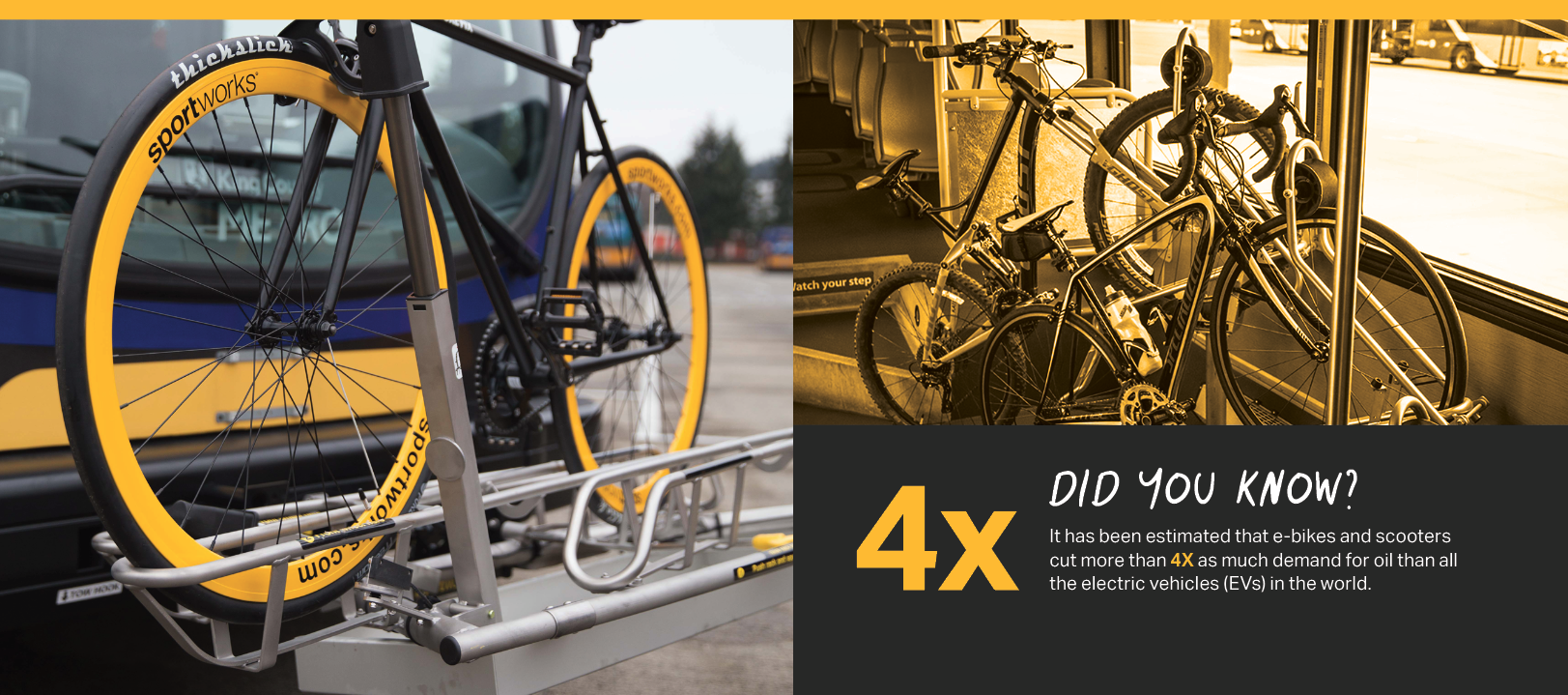
Multimodal transportation
is pivotal in shaping sustainable and interconnected cities. By integrating various modes of transportation we can collectively improve urban mobility and foster vibrant and accessible communities where everyone can thrive.
Cycling is a critical component of multimodal transportation, offering eco-friendly, and cost-effective alternatives to traditional motorized transport, alleviating urban congestion, and promoting individual health and well-being.
Cycling plays a critical part in reducing the commute time to stations and stops. Enabling this connectivity and accessibility makes public transit more convenient and attractive. Successful implementation requires careful planning and consideration of logistics, infrastructure, and community needs.
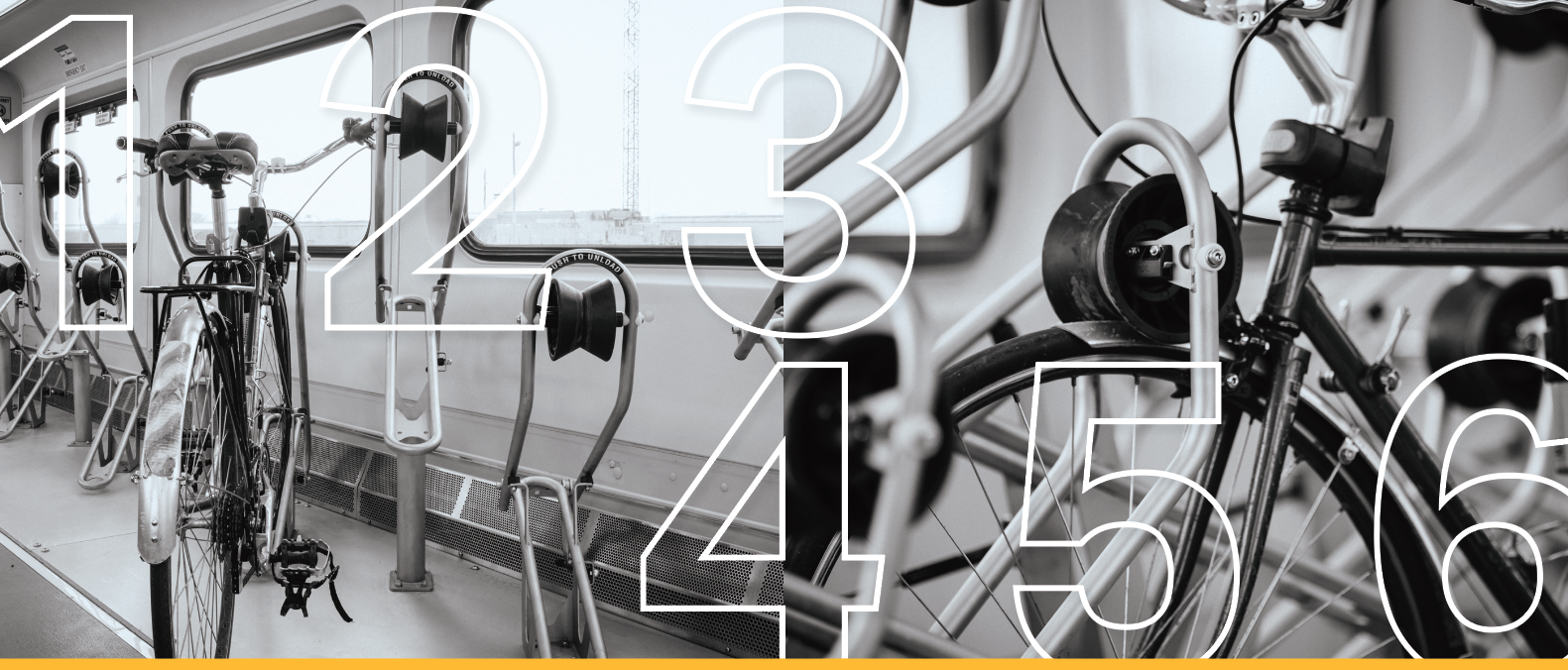
A well-designed bike-on-transit program is crucial for a successful multimodal transportation initiative.
Seamless integration and flexibility right from the start ensures that the transfer from bus or rail to 2-wheels is smooth, meets ridership demands, and provides reliable and efficient service that the community can depend on.
Sportworks aligns with experts like the American Public Transportation Association (APTA), and the Association of Pedestrian and Bicycle Professionals (APBP) who have laid the groundwork for best practices of bike parking and transport.
This guide is meant to equip you with the knowledge these leading associations have shared, along with our 30-years of experience in transporting bikes on buses and trains, to seamlessly integrate transit and cycling, enhancing transportation inclusivity and accessibility for all.

As the NYC-DOT’s Cycling in the City Trends guide explains, thoroughly analyzing available data is crucial in setting up a plan to enhance multimodal transportation. This includes understanding current traffic and pedestrian patterns, public transportation usage, demand for bicycle integration onboard buses and trains, and access to bike parking.
Diverse Methods of Research
Transit Ridership Data
Analyze existing ridership patterns to identify routes and times with high potential for bike-on-transit integration.
Bicycle Usage Data
Utilize existing data sources or conduct surveys to understand current cycling patterns, popular routes, and infrastructure needs.
Types of Bicycles
Analyze the types of bicycles used to account for different riders, the location of their route, and be prepared to account for rising trends.
Demographic and Geographic Analysis
Identify areas with limited transit access, high traffic congestion, or areas with a large cycling populations that could benefit from improved bike-on-transit options.
Benchmarking and Best Practices
Research successful bike-on-transit programs in other cities to learn from their experiences and identify transferable strategies.
Community Engagement
Stakeholder Workshops
Facilitate collaborative workshops with diverse stakeholders to gather input on program design, identify potential challenges, and foster a sense of ownership.
Surveys and Focus Groups
Conduct surveys and focus groups to gather feedback on proposed solutions, understand rider preferences, and identify barriers to adoption.
Public Forums and Open Houses
Host public events to present program plans, answer questions, and gather community input.
Online Engagement
Utilize online platforms and social media to share information, gather feedback, and facilitate ongoing dialogue
Did you know?
A critical component of evaluating requirements is knowing the types of bicycles that riders in your area use.
Bikes are changing, fast. Read more on the best ways to accommodate for the growing demand for bicycles of all types on transit.

To launch a successful bike program, set an integrated, future-focused, inclusive vision.
According to APTA’s Bicycle and Transit Integration program, this vision should
Align seamlessly with broader transportation initiatives
Envision a greener, more connected future
Ensure that all community members are included regardless of their background
This comprehensive approach will help to future-proof your plan for expansions, prepare for challenges and foster a sense of community ownership and pride.
A successful bike-on-transit program begins with a clear vision that aligns with broader community goals. This vision should be:
Aspirational
Paint a picture of a future where bike-on-transit is a seamless and desirable option, contributing to a healthier, more sustainable, and vibrant city.
Measurable
Establish specific, quantifiable objectives that allow for progress tracking and demonstrate the program’s impact. For example: Increase bike-on-transit trips by 20% within three years. Reduce carbon emissions from transportation by 5% within five years.
Inclusive
Reflect the needs and priorities of all community members, ensuring equitable access and benefits.
Communicated Effectively
Ensure your vision is clearly articulated and consistently communicated to all stakeholders, including:
Internal Stakeholders
Transit agency staff, city officials, planning departments.External Stakeholders
Cyclists, potential riders, community groups, advocacy organizations, businesses.
Communication
Effective communication strategies, such as regular updates, community meetings, and explicit, accessible informational materials, are crucial for maintaining engagement and enthusiasm.
It also keeps everyone involved focused – it’s easy to go off course, and a clarity of purpose will help keep those involved aligned and continue to be a catalyst for change.
APTA’s Bicycle and Transit Integration program also recommends considering a realistic timeframe to evoke genuine behavioral change. Changing human behavior, significantly when altering daily transportation habits, is inherently complex and routine-driven.
Setting realistic goals and timelines that account for gradual adoption rates and the time it takes for people to adjust to new modes of transportation is essential.
Patience is Critical
The shift will take time to happen. Regular assessments and adjustments to the program will help maintain momentum and adapt strategies to meet the community’s needs better as the program evolves.
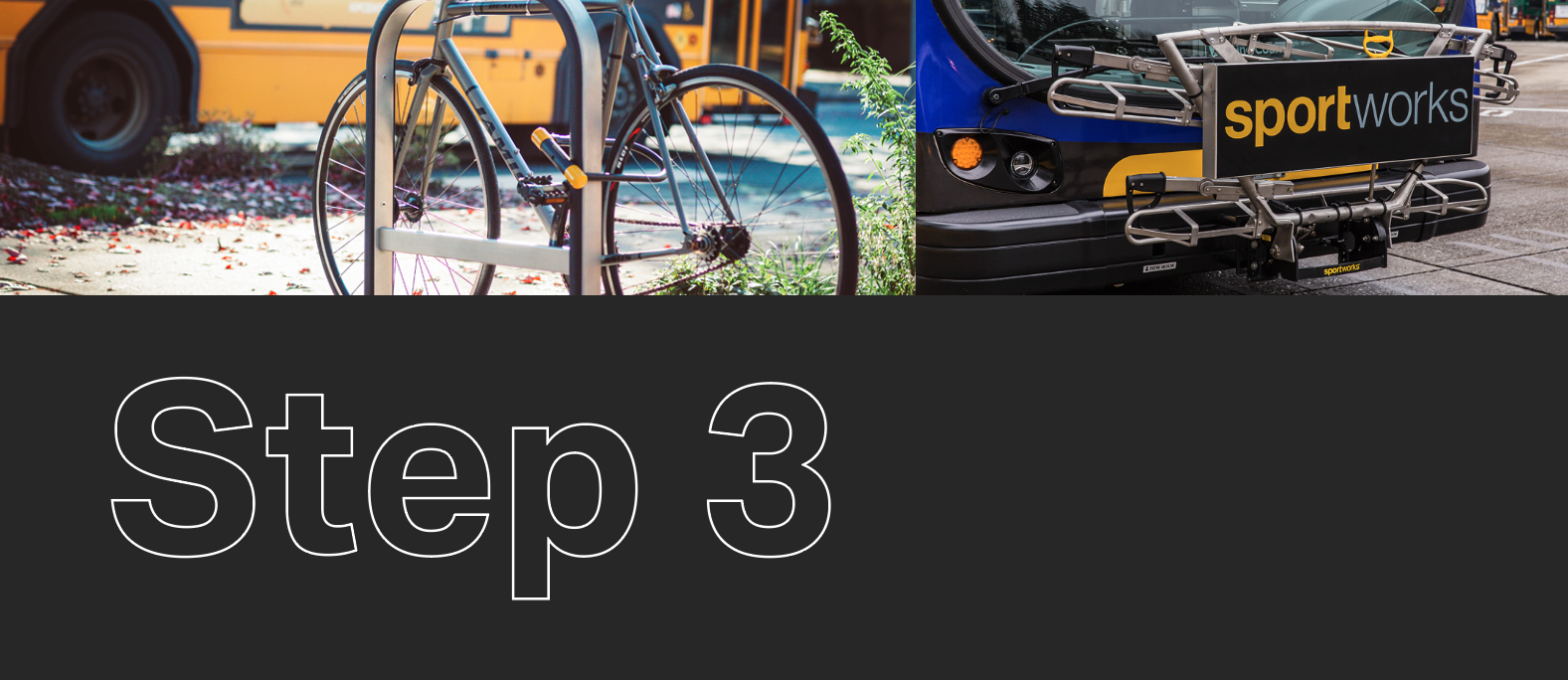
Step 3: Selecting the Right Solution.
Selecting the Right Solution.
Selecting the partner and solution to roll out a bikes-on-transit program is a critical decision that will shape the future of your programs success. As explained by the MTA Strategic Action Plan, this isn’t just about finding a vendor with the right tools; it’s about discovering a collaborator who shares your vision of transformative, accessible urban transit.
This aligns with the additional recommendations of partnering with those who have successfully led similar multimodal projects and have a proven track record. Evaluate partners based on their ability to integrate seamlessly with your infrastructure, withstand urban demands, and provide user-friendly solutions.
The ideal system should prioritize rider usage and empowerment, safety, convenience, and scalability, all while reflecting a commitment to sustainability.
Important Considerations When Determining the Right Solution for You.
Compatibility.
For bikes on buses or rail, this means bike racks or storage solutions that accommodate various bike types while maintaining ease of use for commuters. Sportworks designs are continuously being improved, as the size, weight and type of bicycle trends change. And, as new vehicles are released, hardware to match is developed to ensure seamless compatibility. For rail cars, racks are designed to be modular, allowing for easy installation and adjustment to meet specific vehicle requirements for new railcar builds, or retrofit.
Durability.
The solution should be robust enough to withstand the rigors of daily use in harsh mobile conditions without frequent maintenance. Sportworks racks are made from robust materials such as stainless steel, ensuring long-lasting performance.
Safety/Ease of Use.
The solution should be user-friendly, allowing commuters to load and unload their bikes quickly, minimizing delay and hassle. Sportworks racks are user-friendly, and bike racks for buses designed to ensure loading from the curbside – enabling commuters to load and unload their bikes safely.
Scalability.
Consider whether the product can be scaled up as the program expands or if the demand increases unexpectedly. The goal is for ridership and multimodal transportation to grow, and Sportworks offers solutions that can be scaled up as the demand for bike transportation increases, supporting the expansion of multimodal transit programs.
Responsible Sourcing.
Constituents of public transit and cyclists are often the savviest of when it comes to the environment and sustainability. Alternative forms of transportation shouldn’t come at the cost of a large carbon footprint. Made in the USA, Buy America compliant, and US sourced steel makes Sportworks a wise choice.
According to the MTA’s Strategic Action Plan, the right partner will not only provide a product but will share your vision for a connected, vibrant city. Implementing a system that enhances your community and fosters a thriving urban environment will drive the most success.

Step 4: Implementation of Bikes on Transit
Implementation of Bikes on Transit
Launching a program is more than just a transportation initiative—it’s a commitment to transforming how people move and connect within your city. Here’s how to turn this vision into a vibrant reality using passion, precision, and planned expansion.
There are some essential do’s and don’ts in your pilot plan, pursuant to APTA’s Bicycle and Transit Integration program:
Do: Ensure Uniformity Across the Fleet
Ensure every bus or train on the pilot route has a bike rack. Consistency is key to avoiding confusion and building trust among users. If commuters are uncertain if a bike accommodation exists on their route, they are likely to opt out. Consistent equipment guarantees riders can rely on the service daily, fostering trust and usability. Your dedication to consistency ensures that every interaction, from loading bikes to daily commutes, is predictably safe and smooth. This reliability fosters trust and makes your program a reliable part of daily life. With Sportworks’ wide variety of 1, 2, and 3-position bike racks, you can consistently maximize the carrying capacity of bikes on the front of commercial vehicles across the fleet.
Most transportation authorities in North America began their bike on transit programs in the 1990’s, but if you are just getting started in your region, a good place to start may be a pilot program. Begin by selecting a specific area or route representing a cross-section of your broader community or highlighting transportation challenges. This focused approach allows you to test logistics, gather data, and gauge user acceptance in a controlled environment. It also provides an opportunity to troubleshoot potential problems without overwhelming resources.

Don’t: Implement Without Training
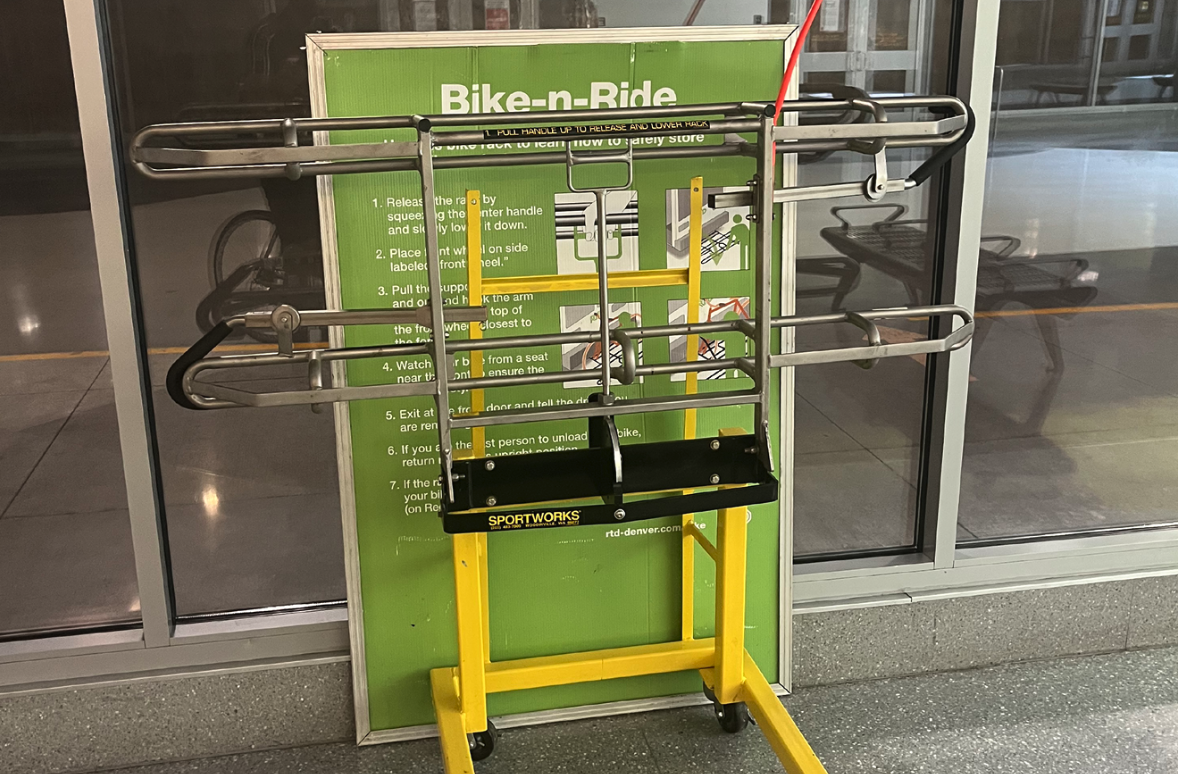
Even with clear instructions on the rack itself, first-time riders can be intimidated by the process, and fear they will hold up other passengers. Instructional videos and user guides are a great way to inform riders and bring peace of mind to the process. Additionally, a demonstration rack can be placed at transit stations and community centers, so that riders can try it in a stationary environment prior to use.
Don’t: Overlook Feedback Mechanisms
Be sure to gather and analyze feedback from your users to understand their satisfaction and system efficiency. Set up feedback channels like surveys or digital platforms for honest communication. This input is invaluable for making improvements. Take time to listen to the numbers, stories,
and commuters’ experiences to evaluate the program
against your goals.
Do: Monitor and Adapt the Service
Continuously monitor the program’s performance and usage patterns periodically throughout the program. Adapt based on actual usage and operational challenges, such as adjusting rack capacity or altering routes based on demand. As the APTA Bicycle and Transit Integration booklet states, this process is about growing and deepening your relationship with the community.
Maintaining consistency, ensuring reliability, and planning for thoughtful expansion, you’re not just setting up a service—you’re weaving a new tapestry of connectivity and community engagement.
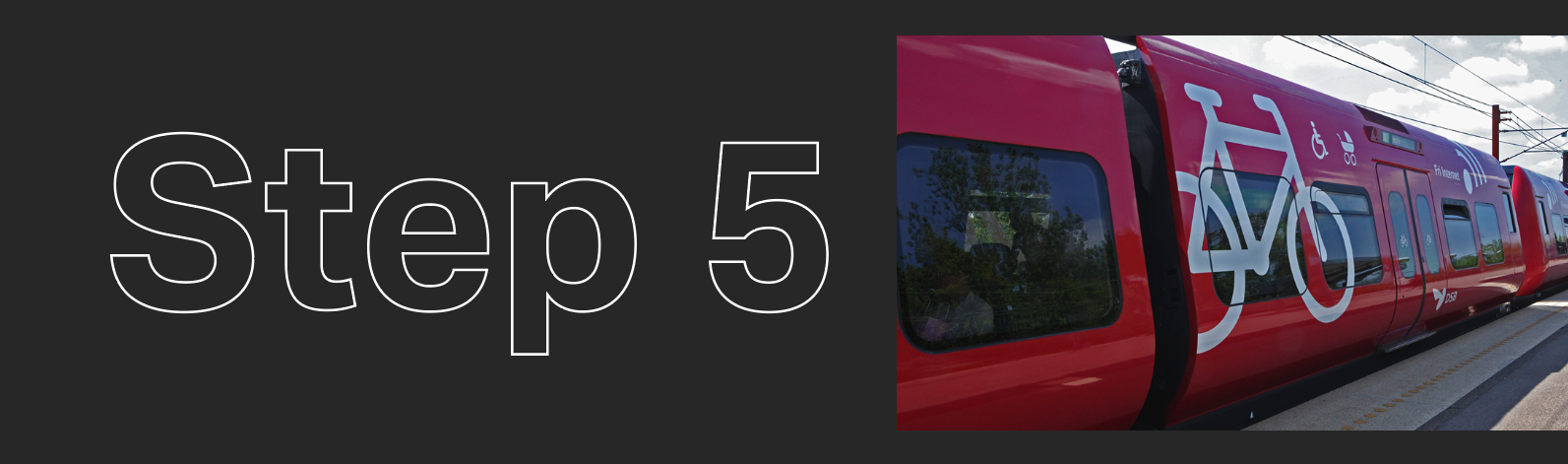
Step 5: Communication to the Public
Communication to the Public
Based on the New York Metropolitan Transportation Council | 2045’s Pedestrian & Bicycle Plan, communicating the plan to the public is not just a step in launching a bikes-on-transit program—it’s the heartbeat of the entire initiative. Effective communication is the bridge that connects the community to the new possibilities unfolding within their city, transforming a simple transit option into a shared vision.
When discussing the importance of communicating the plan, it’s important to craft a messages that resonates, inspires, and informs, articulating practical details and the broader vision of what these changes mean for individuals and the community. The 2045 Pedestrian & Bicycle Plan depicts reduced traffic congestion, cleaner air, and a more accessible city, creating palpable excitement about enhancing daily life.
Transparent communication fosters trust by openly sharing plans, progress, and potential challenges, inviting public participation and feedback. This engages people as active contributors who feel ownership over their urban environment, strengthening the program’s foundation. Effective communication also counters misinformation and skepticism, providing clear, consistent information to mitigate doubts. Regular updates sustain interest and engagement.
Clear and concise communication involves more than sharing information; it’s about involving people in the progress. It’s about inspiring them to see each bus ride and pedal as part of a thriving, eco-friendly, interconnected community. This fosters enduring change, driven by the collective pulse of an inspired and informed community.

Step 6: Data Collection & Improvement
Data Collection & Improvement
Data alone has limited value without context; understanding the complete story behind the numbers is crucial. Collecting data isn’t enough for pilots for bikes-on-buses or bikes-on-rail programs; the information must be considered within the broader framework of our goals. This means examining each data point to understand its relation to user behaviors, needs, and operational challenges.
A plan to identify high usage areas, those that require improvement, and ensuring long-term sustainability is critical. Capturing bike rack utilization data using an integrated counter can supply real-time feedback and rack availability to improve user experience, and understand overall program efficacy.
Key Performance Metrics for Continuous Improvement:
Bike Rack Usage
Track the number of onboard bike spaces utilized by route, the average bike load per bus or railcar, and peak usage times.Transit Ridership
Monitor changes in ridership on routes with bike-on-transit options and identify correlations with program implementation.Rider Satisfaction
Conduct surveys and gather feedback on rider experiences, including ease of use, safety, and overall satisfaction.
Program Adaption and Refinement:
Use data and feedback to inform program adjustments, such as:
Optimizing bus routes and schedules.
Expanding bike transport capacity.
Enhancing communication and outreach efforts.
Implementing new technologies and innovations.
Integrating bicycles with public transit is a powerful strategy for creating more sustainable, accessible, and livable cities. By following the steps outlined in this guide, you can develop and implement successful programs that benefit residents, enhance accessibility to transit options, and contribute to a healthier, morevibrantfuture.
Remember, collaboration and continuous improvement are key to building a truly integrated and thriving multi-modal transportation system.
Did you know?
The first and last mile are crucial in a bicycle-on-transit program as they connect transit stops to passengers’ starting points and destinations. This integration enhances public transportation’s accessibility, making commutes seamless, and encouragingsustainable travel.
The journey starts now.
Transform your community and inspire a new wave of transportation that empowers everyone.
We are transportation changemakers with a powerful commitment to improve the well-being of people and the planet. By making active and multimodal transportation the natural choice for everyday life, we champion a world where every journey reflects a profound respect for our shared environment.